

Understanding the Overlap Between Glaucoma and Dry Eye
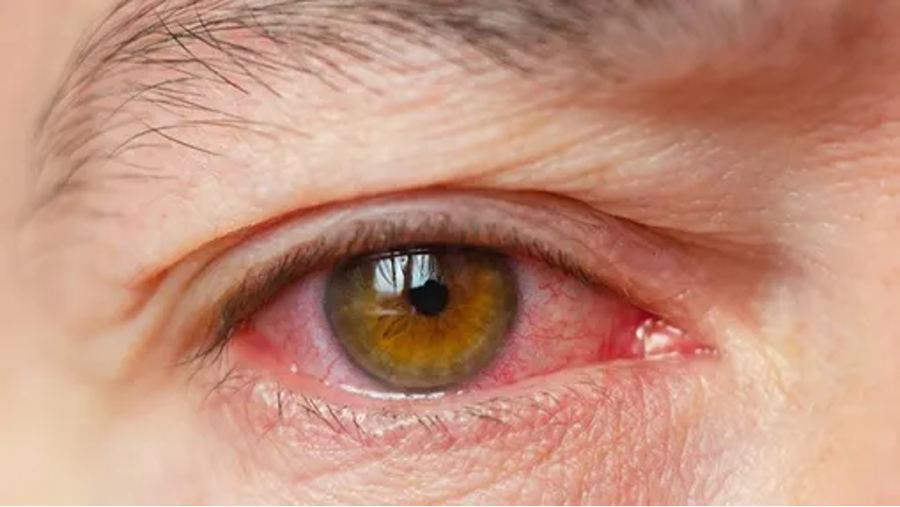
If you are treating glaucoma and also struggling with burning, irritation, or fluctuating vision, you're not alone. Research shows up to 60% of patients on long-term glaucoma drops have clinically significant dry eye symptoms; patients using two or more glaucoma medications have a 2-3x higher risk of developing moderate to severe dry eye; and the preservative used in many glaucoma drops, called benzalkonium chloride (BAK), is associated with ocular surface toxicity in 30-50% of users. So if your eyes feel uncomfortable, it is not your fault, it's extremely common, and very treatable.
Why Glaucoma and Dry Eye Happen Together
Glaucoma drops can irritate the surface of the eye. Many glaucoma drops contain a preservative called benzalkonium chloride, or "BAK" for short. BAK keeps your eye drop bottles sterile, but long-term use of BAK-containing drops can dry out the tear film, cause burning or stinging, create redness or a sandy feeling, and increase inflammation on the eye surface. This is especially common if you use multiple bottles each day.
Tear film changes become more common with age. Dry eye syndrome becomes more common with age for a number of reasons, but in general, as we get older it's normal for the eyes to produce fewer overall tears, fewer eyelid oils that would otherwise coat the tear film and prevent evaporation, and a less stable tear film. Blinking can also become less complete, especially with screen time, reading, or focus-demanding activities. Since glaucoma occurs more commonly with age, these changes in dryness and tear film often overlap directly with glaucoma treatment.

Why Treating Dry Eye Is Crucial in Glaucoma Care
Dry eye doesn't just cause discomfort, it can make glaucoma harder to monitor accurately and can make patients less willing to continue using the drops prescribed to treat their glaucoma. Ocular dryness can lead to inaccurate pressure readings due to lack of a healthy tear film, lower-quality pictures of the optic nerve used to monitor glaucoma, vision that fluctuates throughout the day as a result of an unstable tear film, and patients wanting to simply use their drops less because they make them feel uncomfortable, leading to missed doses and intermittent spikes in eye pressure. If someone's eyes burn or sting every time they use their drops, that person is far less likely to use them consistently, and that can affect long-term vision.

How We Improve Dry Eye While Still Protecting Your Vision
Reducing your drop burden (SLT & MIGS): One of the most effective ways to improve dry eye is simply to reduce the number of drops used. By reducing the number of drops needed to treat glaucoma, we reduce the amount of preservatives going into the eye each day and any other medication-related irritation. Our two best ways of doing this are laser treatment and minimally invasive surgery.
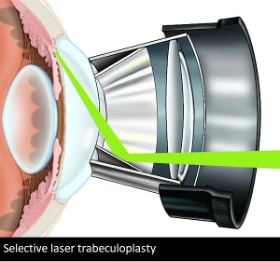
Selective Laser Trabeculoplasty (SLT) is a gentle laser procedure that helps the eye drain fluid more effectively. Many patients can reduce or stop daily glaucoma drops after SLT. Benefits include reducing or eliminating drop burden, helping the ocular surface heal, avoiding exposure to preservatives, and a quick procedure with no incision.
Minimally Invasive Glaucoma Surgery (MIGS): For patients undergoing cataract surgery, or in some cases for patients open to a standalone procedure, MIGS can improve pressure control while reducing medication needs. Benefits include lower eye pressure, likely fewer daily drops, long-term comfort improvement from fewer daily drops, and preservation of the option for future surgical options if needed.
Preservative-free artificial tears (used at the right time): A well-timed preservative-free artificial tear can improve dry eye symptoms commonly tied to glaucoma medications. To avoid diluting glaucoma medications: instill your glaucoma drop, wait 5 minutes, then use a preservative-free artificial tear. This timing supports both comfort and medication effectiveness.
Punctal plugs for tear conservation: The punctum is the tiny hole near the nose-side of the eyelid (both upper and lower) that drains tears into the nose. Punctal plugs are tiny, painless inserts placed into the tear drainage duct to help natural tears stay on the surface longer. They can quickly improve dryness, blurriness, and irritation. As some punctal plugs dissolve with time, we re-evaluate the need for replacement every 3-6 months as needed.
Treating the inflammatory component of dry eye: If inflammation from eye drops is potentially driving symptoms, we can also use immunomodulatory or anti-inflammatory prescription medications such as cyclosporine (Restasis), lifitegrast (Xiidra), short courses of low-dose steroid drops, varenicline nasal spray (Tyrvaya), or newer therapies such as Tryptyr. These treatments calm the underlying irritation associated with dry eye syndrome and help stabilize the tear film.
Switching to preservative-free glaucoma drops when available: Some glaucoma medications are now available in preservative-free bottles. While cost and insurance coverage may vary, switching to a preservative-free version is an excellent means of reducing dryness from preservative exposure over time, and can significantly improve ocular discomfort while maintaining pressure control.
You Deserve Comfortable Eyes, Not Just Controlled Pressure
Glaucoma is a lifelong condition, and you should never feel like you must "tough out" the burning, irritation, or fluctuating vision that can accompany glaucoma drop usage. There are many treatment strategies that can protect your vision and help your eyes feel dramatically better, you just have to let us know. If you're experiencing dryness or irritation, even small adjustments can make a meaningful difference. </content>