
Glaucoma Screening & Diagnosis
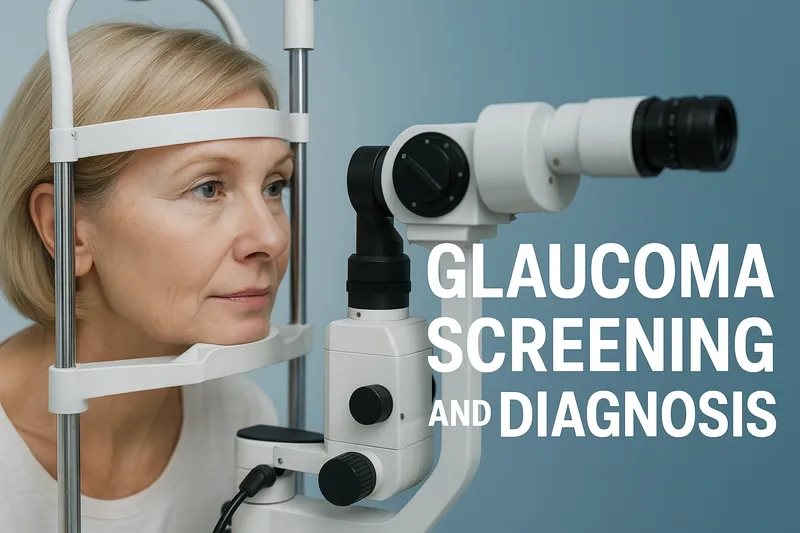
Early detection protects the optic nerve and preserves sight. Our board-certified glaucoma specialists offer comprehensive screening and diagnostic testing to catch glaucoma before it steals your vision.
Who Should Get Screened
- ✓Age 40+ (earlier if you have risk factors)
- ✓Family history of glaucoma or blindness of unknown cause
- ✓African, Hispanic/Latino, or Asian ancestry
- ✓Diabetes, sleep apnea, migraine, or low blood pressure
- ✓Long-term steroid use (drops, pills, inhalers, skin creams)
- ✓High myopia (nearsightedness) or prior eye injury
- ✓Elevated eye pressure noted elsewhere
Symptoms to Watch For
Glaucoma is usually silent. Rare warning signs include patchy side-vision loss, halos around lights, or eye pain/redness with nausea, this can signal an angle-closure emergency. If you notice these symptoms, seek same-day care.
Same-Day Emergency Care
Sudden eye pain, redness, blurred vision, halos, headache, or nausea can signal an angle-closure attack. Call 909-315-6891 immediately or seek emergency care.
What Your Screening Includes
- Medical and ocular history, risk assessment
- Visual acuity (baseline)
- Intraocular pressure (IOP) measurement
- Corneal thickness (pachymetry) to refine IOP risk
- Gonioscopy (microscopic exam of the drainage angle)
- Dilated optic nerve evaluation
- Optical Coherence Tomography (OCT) of retinal nerve fiber and ganglion cell layers
- Visual field testing (perimetry) to assess functional vision
- Personalized plan and education
How We Make the Diagnosis
Structure
OCT imaging and clinical exam look for thinning of the retinal nerve fiber layer or optic nerve cupping.
Function
Visual field testing (perimetry) maps blind spots and progression patterns.
Pressure & Risk
Intraocular pressure is interpreted alongside corneal thickness, blood-pressure profile, and family history.
A diagnosis is made when structural and/or functional damage matches glaucoma patterns, even if eye pressure is “normal.”
Types We Assess
Primary Open-Angle Glaucoma (POAG)
The most common type: slow and silent optic nerve damage. Learn more about open-angle glaucoma →
Normal-Tension Glaucoma (NTG)
Damage despite “normal” intraocular pressure; vascular risk is often relevant. Learn more about normal-tension glaucoma →
Angle-Closure Risk/Disease
A narrowed or blocked drainage angle that may need laser treatment to prevent attacks. Learn more about angle-closure risk →
Secondary Glaucomas
Steroid-related, pigmentary, pseudoexfoliation, uveitic, or traumatic glaucoma.
Your Visit Timeline
- Check-in & History
10–15 minutes - Measurements & Imaging
20–30 minutes - Dilation (if applicable)
30–45 minutes - Visual Field Test
10–15 minutes per eye, as needed - Doctor Consultation & Plan
15–20 minutes
Total time varies (typically 60–90 minutes; add 30–45 minutes if dilation is performed).
Treatment If Needed
First-Line Options
Selective Laser Trabeculoplasty (SLT) and/or prescription eye drops.
Additional Care
Medications, minimally invasive glaucoma surgery (MIGS), or traditional surgery for advanced cases.
Lifestyle
Adherence coaching, nighttime/vascular risk review, protective eyewear, and exercise guidance.
Why Choose Us
- ✓Board-certified, UCLA fellowship-trained glaucoma specialist
- ✓Evidence-based protocols; LiGHT-informed SLT pathways
- ✓Same-week appointments; most insurances accepted
- ✓Advanced diagnostics (OCT, perimetry, gonioscopy, pachymetry) on site
- ✓Clear education, written results summary, and coordinated follow-up
Preparing for Your Appointment
- Bring current glasses, medication list (including steroids), and any prior eye records.
- Avoid heavy caffeine right before testing, if possible.
- Arrange a driver if you prefer to have one after dilation.
After Your Visit
You’ll receive a personalized assessment, test results explained in plain language, and a follow-up plan. We coordinate with your primary eye doctor as desired.
Frequently Asked Questions
Is glaucoma curable?
Not yet, but early detection and treatment can prevent or slow vision loss.
Will the tests hurt?
No. Most are non-contact and painless; dilation can blur near vision for a few hours.
Do I need a referral?
No, self-referrals are welcome. We accept most insurances; call us for specific insurance questions. All HMO insurance plans require authorization from your primary care physician, or you may choose to pay out of pocket to see the glaucoma specialist at a reduced rate.
How often should I be checked?
Every 1–2 years starting at age 40, or sooner and more often if you have risk factors.
Ready to schedule your glaucoma screening? Same-week appointments are available.