

What's Coming Next in the Fight to Protect Vision
Glaucoma is often called the "silent thief of sight." It gradually damages the optic nerve, usually from elevated eye pressure (intraocular pressure, or IOP), and many people don't notice symptoms until permanent vision loss has already occurred.
For decades, treatment has focused mainly on lowering eye pressure with drops. And while drops work well for many patients, they can be inconvenient, difficult to remember, and sometimes irritating.
Now, in 2026, the glaucoma treatment pipeline is evolving in exciting ways. Researchers are developing new eye drops with novel mechanisms, longer-lasting drug delivery systems, implants that reduce or replace daily drops, and medications aimed at protecting the optic nerve itself.
1. Smarter Eye Drops: More Than Just Pressure Lowering
Nitric Oxide-Boosted Drops (NCX 470): One of the most closely watched medications is NCX 470, a next-generation prostaglandin drop that releases nitric oxide. Traditional prostaglandin drops mainly improve fluid drainage through one pathway, while nitric oxide may help relax additional drainage pathways in the eye. In large Phase III trials, NCX 470 reduced eye pressure at least as well as, and sometimes better than, latanoprost, one of today's most commonly prescribed glaucoma drops. Regulatory submissions are underway. If approved, this could become a powerful new first-line option.
QLS-111: Most glaucoma drops focus on fluid production or traditional drainage pathways. QLS-111 works differently, it aims to lower pressure by reducing resistance in the blood vessels near the eye's drainage system, ultimately lowering episcleral venous pressure. Early studies show about 3-4 mmHg of additional pressure lowering, with potential usefulness in normal-tension glaucoma, where pressure isn't very high but damage still occurs.
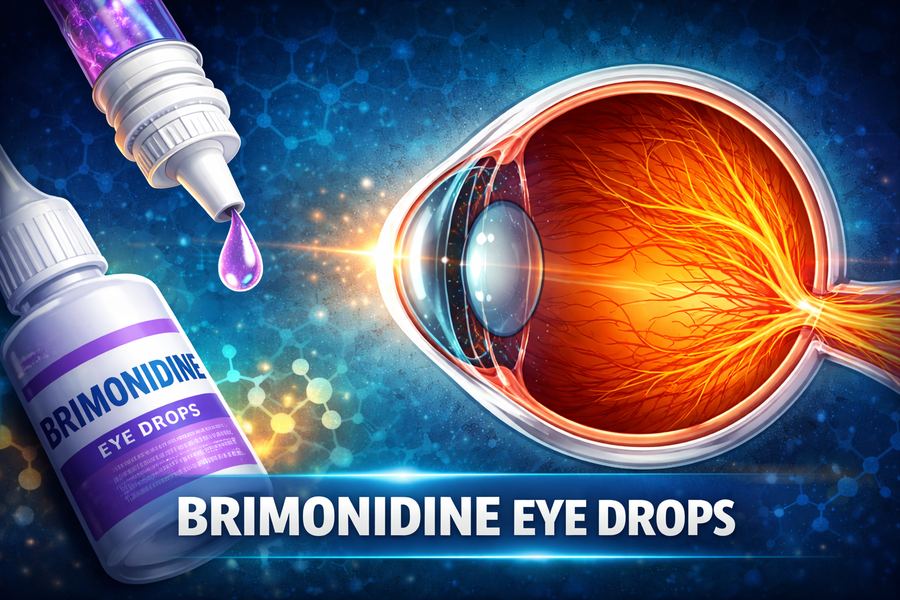
Once-Daily Brimonidine (PDP-716): Brimonidine is effective but often requires multiple doses per day. PDP-716 uses a special microparticle technology to extend drug release so it can be used once daily, with similar effectiveness to the traditional three-times-daily formulation. For patients struggling with drop schedules, this could significantly improve adherence.
2. Neuroprotection: Protecting the Optic Nerve Itself
Traditionally, glaucoma drugs are approved based on how much they lower eye pressure. But lowering pressure doesn't always fully stop vision loss. Researchers are now exploring neuroprotection, treatments designed to protect or even improve optic nerve function.
BL1107 (Bausch + Lomb): This investigational medication is designed not only to lower pressure but also to support nerve function. Early studies have suggested improvement in visual field measurements and a greater proportion of patients gaining significant visual improvement compared to timolol. Larger studies are ongoing in 2026 to confirm these findings. If successful, this would represent a major shift in glaucoma care, from slowing damage to potentially restoring function.
3. Long-Lasting Treatments: Moving Beyond Daily Drops
One of the biggest challenges in glaucoma is adherence, studies show many patients miss doses regularly. New sustained-release technologies aim to solve that.
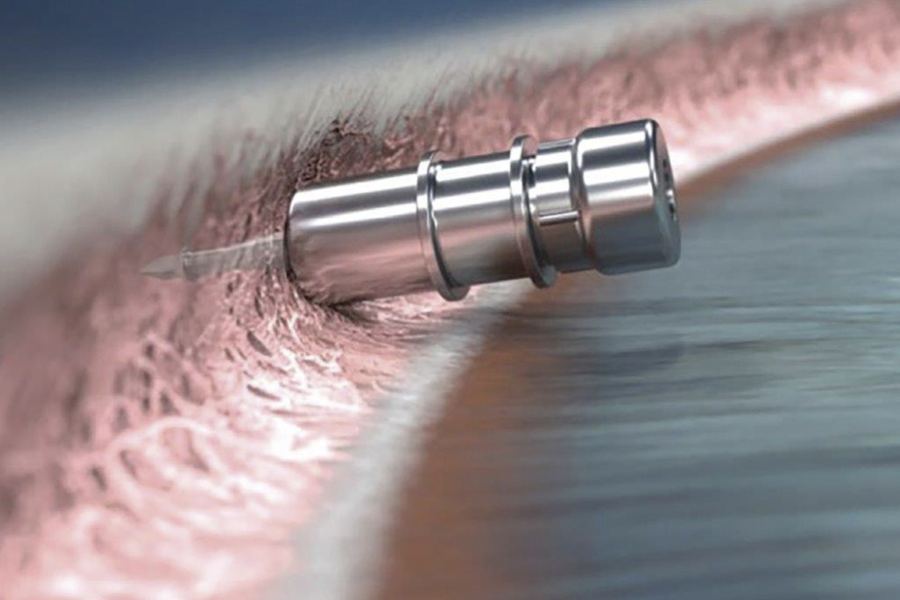
iDose TREX (Intracameral Implant): This tiny implant sits inside the eye and slowly releases medication over time. The new generation, iDose TREX, contains almost twice the drug capacity of earlier versions and is currently in advanced trials, with the goal of replacing months, or possibly years, of daily drops with one procedure.
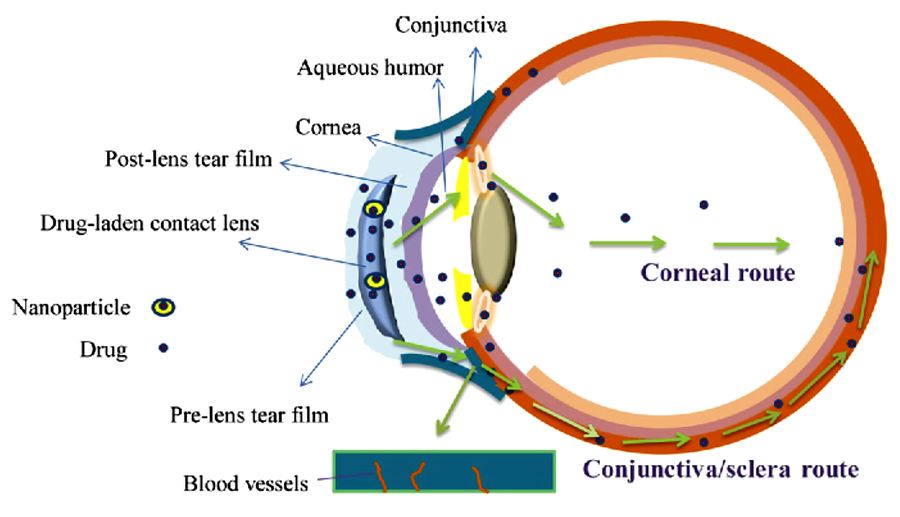
Drug-Eluting Contact Lens (LL-BMT1): Imagine wearing a contact lens that continuously releases glaucoma medication. A Phase II trial showed equivalence to daily bimatoprost drops, and Phase III studies are being planned.
Punctal Plug (Evolute): This latanoprost-eluting punctal plug sits in the tear duct and slowly releases medication over time. It could be placed in-office and reduce or eliminate daily drop use.
Spyglass (Drug-Releasing Cataract Lens): Perhaps one of the most fascinating developments is Spyglass, an intraocular lens implanted during cataract surgery that includes drug-eluting pads designed to release glaucoma medication for up to three years. For patients undergoing cataract surgery who also have glaucoma, this could combine vision restoration, long-term glaucoma control, and fewer daily medications. Early safety data has been encouraging.
4. Gene Therapy & Implants for Nerve Survival
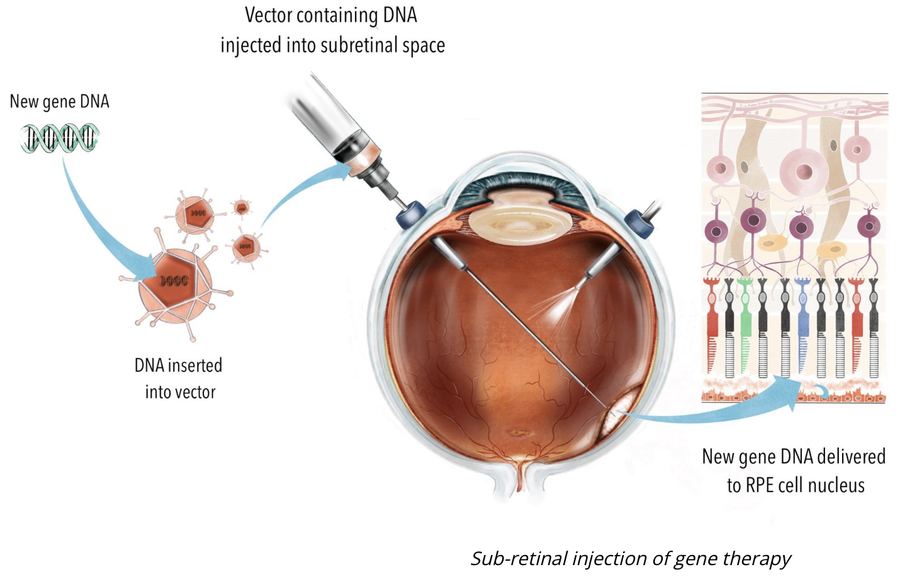
NT-501 (CNTF Implant): This intravitreal implant continuously releases ciliary neurotrophic factor (CNTF), a molecule that promotes neuron survival. Studies are ongoing to evaluate its ability to protect optic nerve cells, improve visual function, and slow structural damage. If successful, this could represent a true neuroprotective therapy.
PER-001 (Endothelin Antagonist Implant): This implant targets blood flow regulation in glaucoma. Early data suggests improved ocular blood flow and potential improvement in visual and structural outcomes, a different angle on glaucoma management that targets vascular factors rather than just pressure.
5. A Shift in Philosophy: "Interventional Glaucoma"
Experts now talk about interventional glaucoma, a strategy of acting earlier and more aggressively to lower pressure while preserving quality of life. Instead of "drops, drops, and more drops until surgery is unavoidable," the new mindset favors earlier procedures, sustained-release treatments, fewer daily medications, and flexible strategies over time. Glaucoma treatment no longer has to be "one surgery that must last forever." With modern MIGS procedures and implants, doctors now have multiple steps available if one approach eventually loses effectiveness, reducing pressure on both the eye and the patient.
What This Means for Patients
The 2026 pipeline shows several major trends: better pressure lowering, new mechanisms of action, long-acting drug delivery, reduced dependence on daily drops, and emerging neuroprotection strategies. Not every investigational therapy will reach approval, clinical trials are complex, and safety always comes first. But the direction is clear: glaucoma care is becoming more sophisticated, more personalized, and less dependent on multiple daily eye drops.
Final Thoughts
If you have glaucoma, the most important message is to stay consistent with current therapy, keep regular follow-ups, and ask your ophthalmologist about new options as they become available. The future of glaucoma treatment isn't just about lowering pressure, it's about protecting vision, preserving quality of life, and giving patients more durable, convenient options than ever before. Please come see us at Inland Glaucoma Center in Upland to be evaluated by a glaucoma specialist trained at UCLA for the very latest in glaucoma care.