
If someone in your family has been diagnosed with glaucoma, there is more at stake than just that family member's eye health. It likely signals that you and other close relatives may also be at increased risk for developing glaucoma. In this post we'll discuss why getting screened for glaucoma is so important if one of your family members has been diagnosed with the disease, and what you need to know about the genetic and hereditary side of glaucoma.
What Is the Risk to Family Members?
Studies show that first-degree relatives (parents, siblings, or children) of people with primary open-angle glaucoma (POAG) have a substantially higher risk of glaucoma than those without a family history. Population data suggest lifetime risk in relatives of patients can approach approximately 22%, compared with approximately 2-3% in those without a family history.
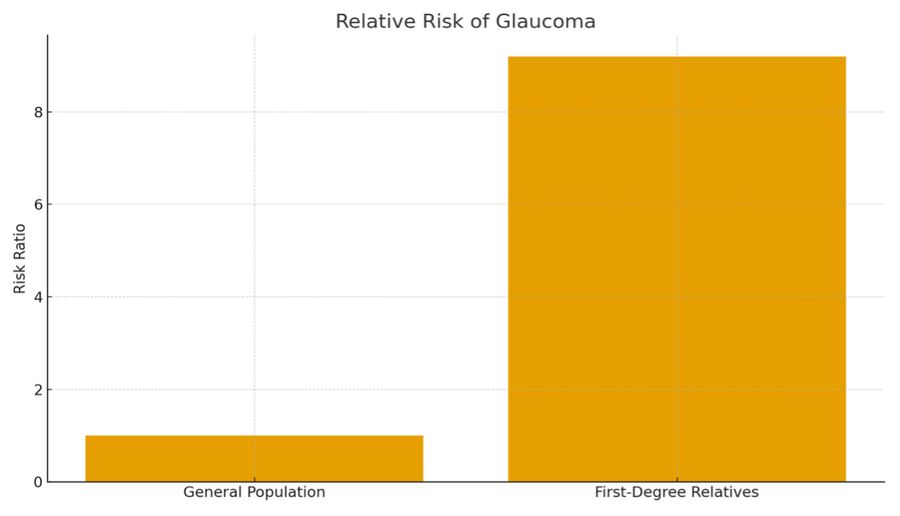
In the Rotterdam Study, a famous epidemiological study looking at patients with glaucoma, first-degree relatives had a risk ratio of about 9.2x for glaucoma compared to controls. Targeted screening of first-degree relatives of patients with POAG has identified previously undiagnosed glaucoma in about 6% of patients and has confirmed existing glaucoma in roughly 11% of screened relatives.
Why Is Family History So Relevant? (Genetics and Heritability)
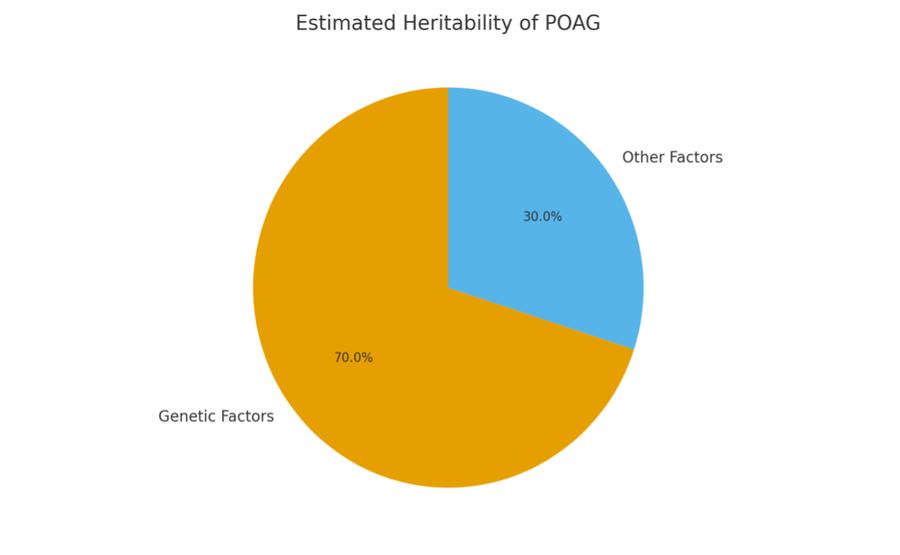
Glaucoma is genetically complex. Mutations in a number of genes are associated with certain forms of glaucoma, particularly early-onset disease.
What Other Risk Factors Make Family Screening Even More Important?
Age: risk of developing glaucoma rises with advancing age. Ethnicity: individuals of African or Asian descent have higher risk for specific glaucoma types. Higher intraocular pressure (IOP): elevated eye pressure is both a modifiable risk factor and a heritable trait.
What Does Screening for Glaucoma in Family Members Look Like?
If one of your first-degree relatives has glaucoma, you should be screened. You should especially consider screening if you are over 40 years old, or your family member had early onset of their disease (before age 40). Your screening exam should include at minimum an eye pressure measurement, slit lamp exam, and dilated optic nerve evaluation. At that visit or at follow-up visits you should undergo visual peripheral field testing and optic nerve imaging. Glaucoma can occur at normal IOP, so screening should never be a pressure check alone.
Why Act Now (Before Symptoms)?
Glaucoma often progresses without noticeable symptoms early on, it is a silent process at the beginning, and people don't even notice any vision changes at the start. However, once optic nerve damage occurs, vision loss is permanent. Therefore, early detection, monitoring, and timely treatment, eye drops, laser therapy, or surgery, are crucial. They help preserve vision.
How to Talk to Your Family About It
If you or one of your first-degree relatives has been diagnosed with glaucoma, mention that glaucoma can run in families and that regular eye exams are important even if you or your family members don't have any symptoms. Emphasize that early detection does make a difference, you don't want to wait for symptoms to appear. Share resources, schedule yourself for a checkup with a glaucoma specialist, and help your other close relatives do the same if needed.
Concluding Thoughts
A family history of glaucoma is one of the strongest risk factors for developing the disease. By encouraging your family members to get tested early, you're helping protect their vision. Knowing your risks allows you to take action before vision is affected.
References
- Wolfs RC et al. Rotterdam Study. Ophthalmology. 1998. Tielsch JM et al. Targeted family screening data. Arch Ophthalmol. Gharahkhani P et al. Nat Genet. 2018. Wiggs JL, Pasquale LR. Hum Mol Genet. 2017. Leske MC et al., Gordon MO et al. Risk factor heritability studies. </content>